1. Product Overview
────────────────────────────────────────────────────
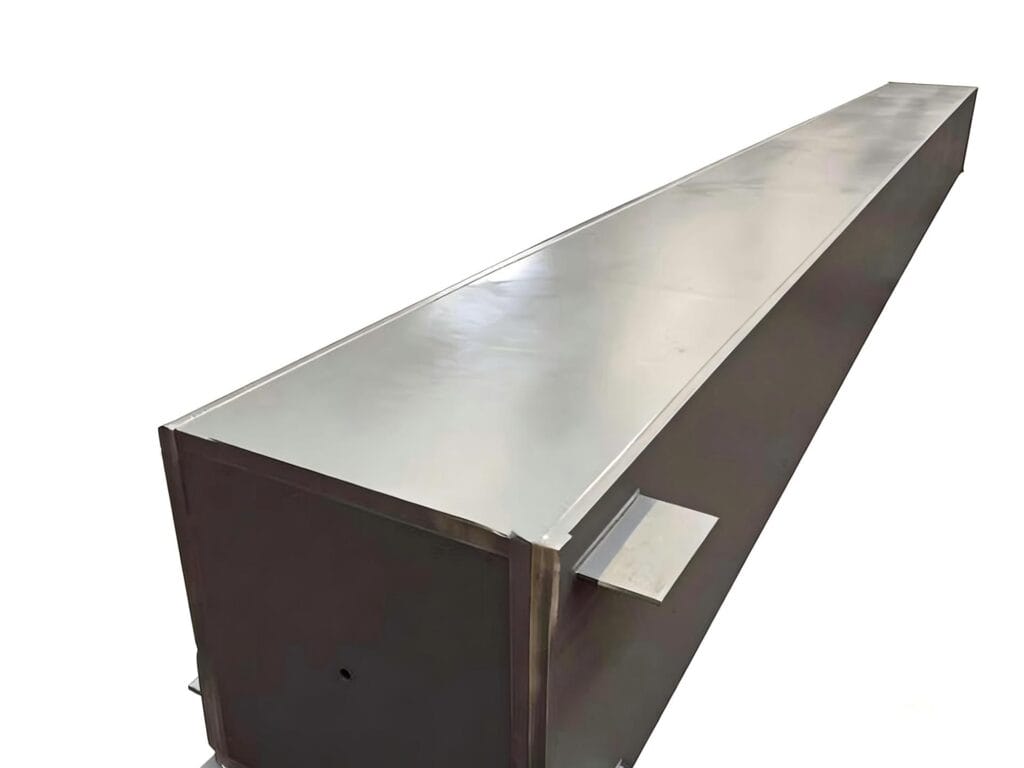
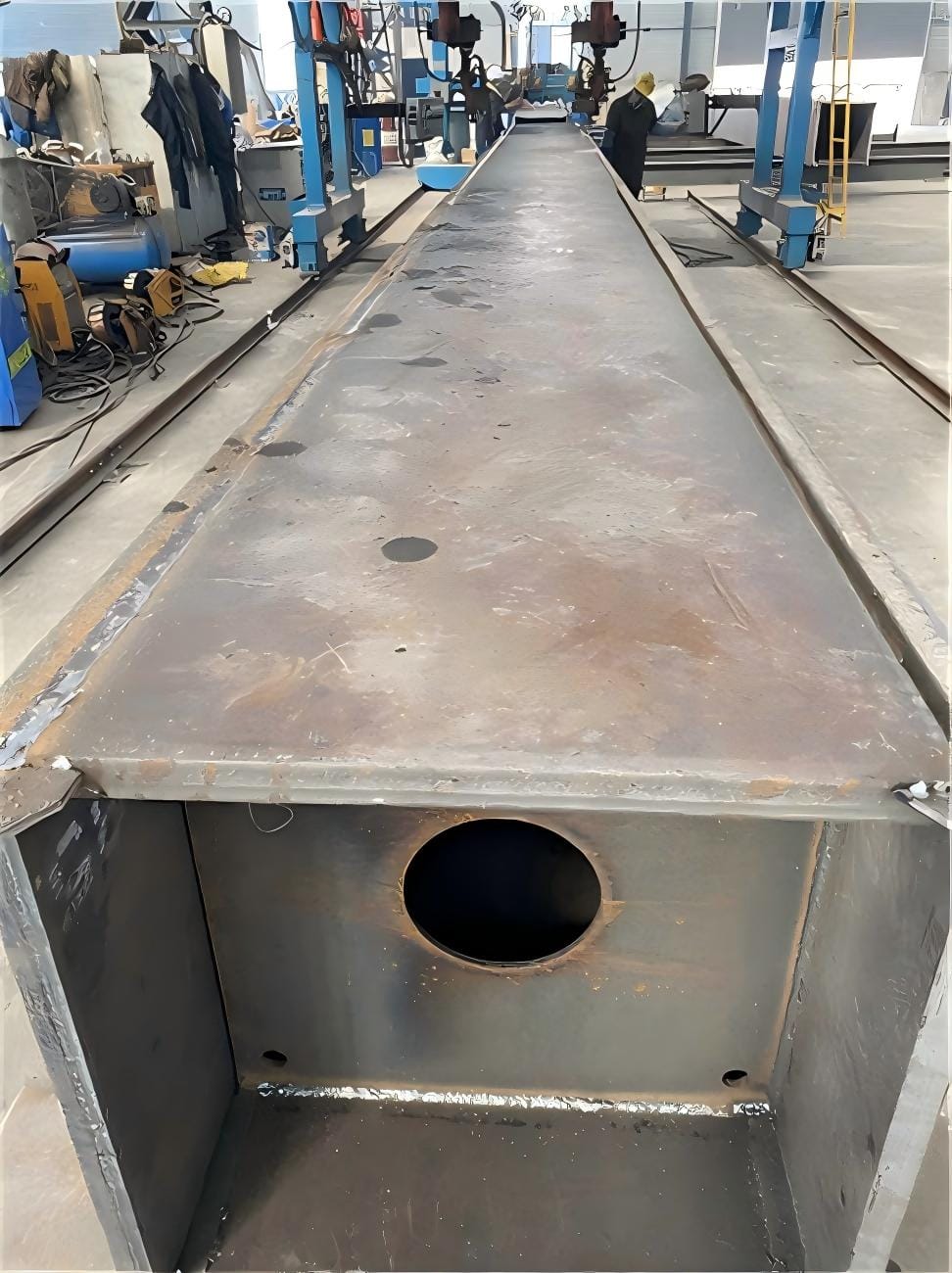
The Box Column is a fabricated structural steel member with a hollow, rectangular, or square cross-section, made by welding four steel plates together with high precision. As a critical vertical load-bearing component, the Box Column is engineered to deliver superior structural performance compared to standard H-beams.
Designed for heavy-duty applications, our box columns are the backbone of industrial workshops, large-span warehouses, and multi-story steel buildings. They efficiently transfer vertical loads from roofing systems, heavy-tonnage cranes, and floor decks down to the foundation, ensuring maximum stability and safety for your project.
2. Key Advantages
────────────────────────────────────────────────────
• Bi-Directional Strength: Unlike H-beams, Box Columns possess equal moments of inertia along both the X and Y axes. This provides exceptional resistance to bending in all directions, making them ideal for corner columns and areas with complex stress loads.
• Superior Torsional Rigidity: The closed-box section offers significantly higher torsional stiffness, making it the preferred choice for earthquake-resistant designs and structures subjected to high wind loads.
• Heavy Load Capacity: Specifically engineered to support heavy axial loads and massive crane vibrations (e.g., 50T+ overhead cranes).
• Concrete Filled Tube (CFT) Ready: Can be filled with concrete to create CFT columns, further enhancing compressive strength and fire resistance.
• Easy Maintenance: The smooth, flat surface minimizes dust accumulation and is easier to paint and maintain than the open profiles of H-beams.
3. Applications
────────────────────────────────────────────────────
• Heavy Industrial Plants: Steel mills, power stations, and manufacturing facilities requiring heavy overhead bridge cranes.
• High-Rise Buildings: Core structural columns for skyscrapers, hotels, and office towers.
• Large Public Structures: Airport terminals, convention centers, and sports stadiums.
• Infrastructure: Bridge piers and equipment support structures.
4. Installation Guide
• Lifting: Customized lifting lugs are welded to the column top. Due to the heavy weight, appropriate cranes and rigging plans are essential.
• Foundation Connection: Columns are anchored to the concrete foundation via pre-embedded anchor bolts. Shim plates are used for precise leveling.
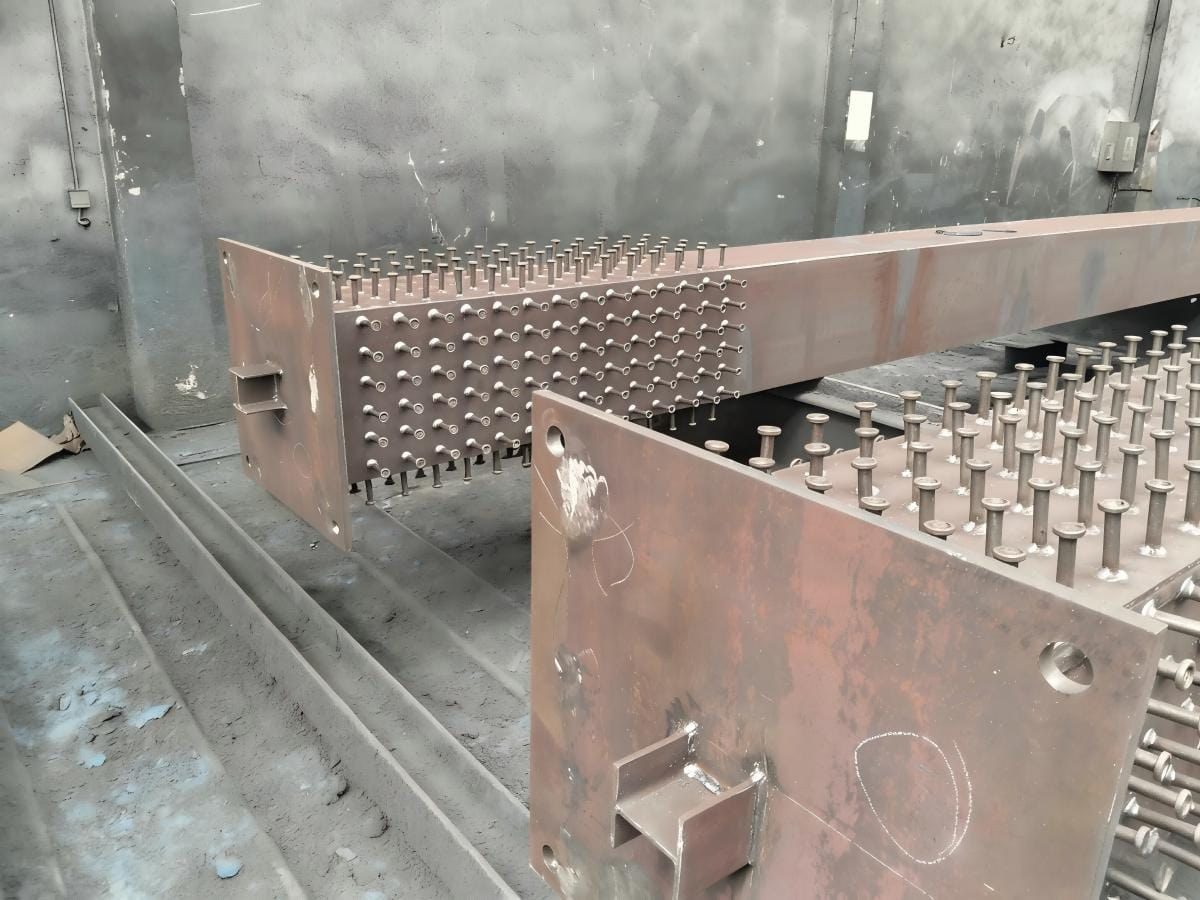
• Splicing: For multi-story structures, columns are installed in tiers. Connections are made via full-penetration field welding or high-strength bolting. We pre-assemble connecting plates in the factory to ensure fit-up accuracy.
• Safety: Temporary bracing is required immediately after lifting to ensure stability before final bolting/welding.
5. Maintenance
────────────────────────────────────────────────────
• Routine Inspection: Annual checks are recommended, focusing on the base plate area and joints for signs of rust or coating damage.
• Repair: Since box columns have flat surfaces without hidden corners, re-painting and rust removal are faster and more cost-effective than standard sections.
6. Packaging & Shipping (Export Standard)
────────────────────────────────────────────────────
We understand the challenges of international logistics for heavy steel components.
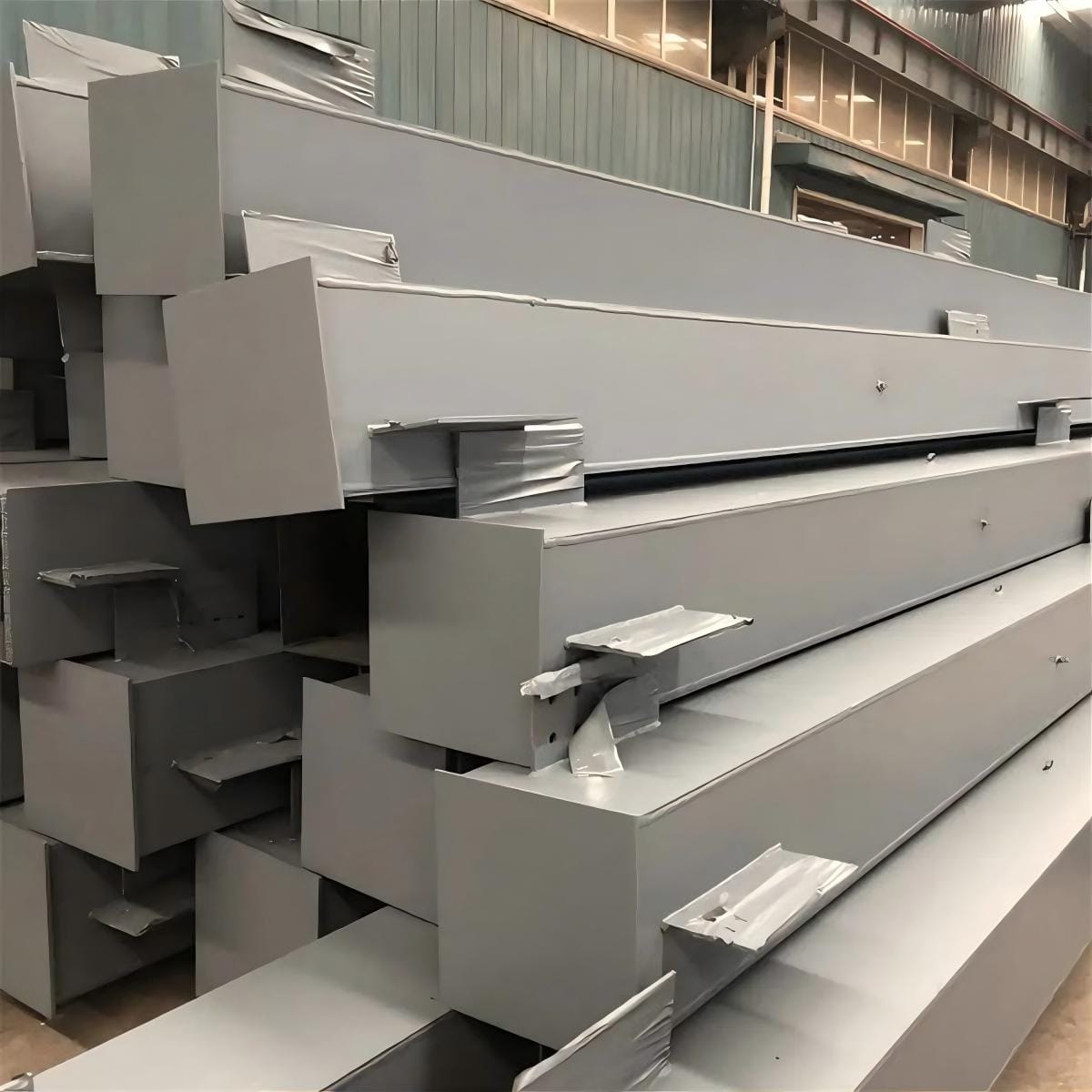
• Packaging: Columns are placed on steel skids or heavy-duty sleepers, secured with high-tensile steel strapping.
• Protection: Ends are covered to prevent debris entry. Machined surfaces (for splicing) are protected with plastic covers and grease.
• Loading:
– Container: Loaded into 40ft Open Top (OT) containers for easy overhead loading.
– Break Bulk: For oversized or extremely heavy columns, we arrange Bulk Vessel shipping with professional lashing and dunnage.