Overview
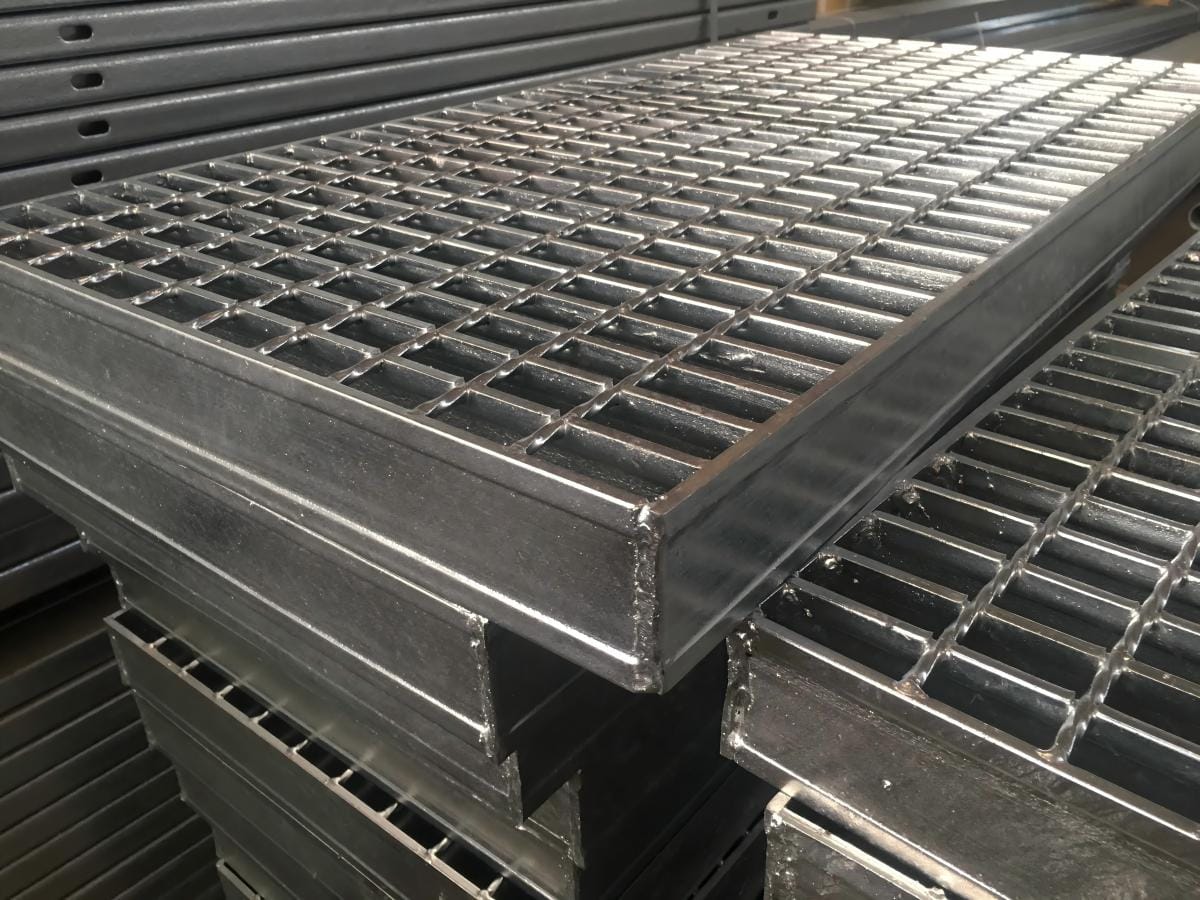
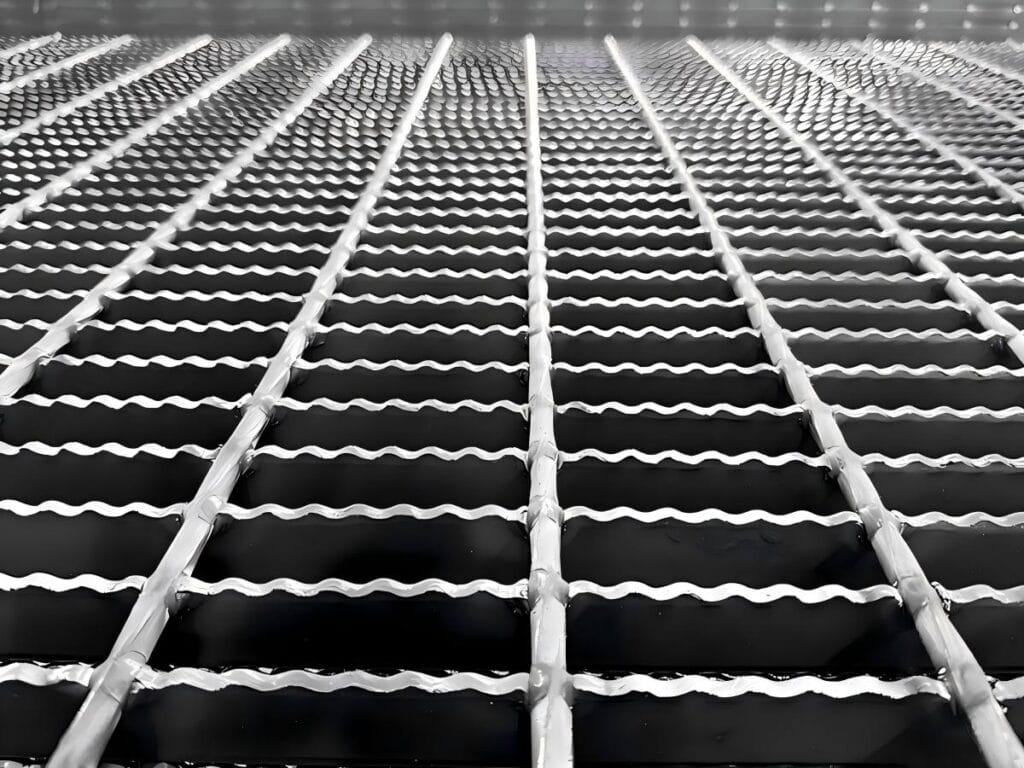
Steel Bar Grating is an essential structural component renowned for its high strength, durability, and open-grid design. It is manufactured by welding or press-locking a series of parallel bearing bars to perpendicular cross bars, creating a robust panel with a high strength-to-weight ratio. This design allows for the efficient passage of light, air, heat, and sound, while preventing the accumulation of liquids or debris. With its excellent load-bearing capacity and inherent safety features, steel bar grating is the preferred choice for industrial flooring, platforms, walkways, trench covers, and countless other applications.
Key Advantages
- Exceptional Strength-to-Weight Ratio: Provides superior load-bearing capabilities with a significantly lighter structure compared to solid steel plates, reducing overall structural weight and cost.
- Durability & Longevity: When hot-dip galvanized, it offers outstanding protection against corrosion and rust, ensuring a long service life even in harsh environments.
- Safety & Slip Resistance: The open-grid surface provides natural drainage. For enhanced safety, a serrated surface option is available, offering maximum slip resistance in wet, oily, or icy conditions.
- Low Maintenance: The open design is self-cleaning, preventing the build-up of dirt, grease, snow, and debris, which simplifies inspection and cleaning routines.
- Versatility & Customization: Can be easily fabricated and cut to fit any shape or size, making it suitable for a vast range of complex industrial and architectural designs.
- Excellent Ventilation & Light Passage: The open structure is ideal for applications where airflow and light penetration are critical, improving visibility and working conditions.
Common Applications
Steel Bar Grating’s versatility makes it indispensable across numerous sectors:
- Industrial Flooring and Mezzanines
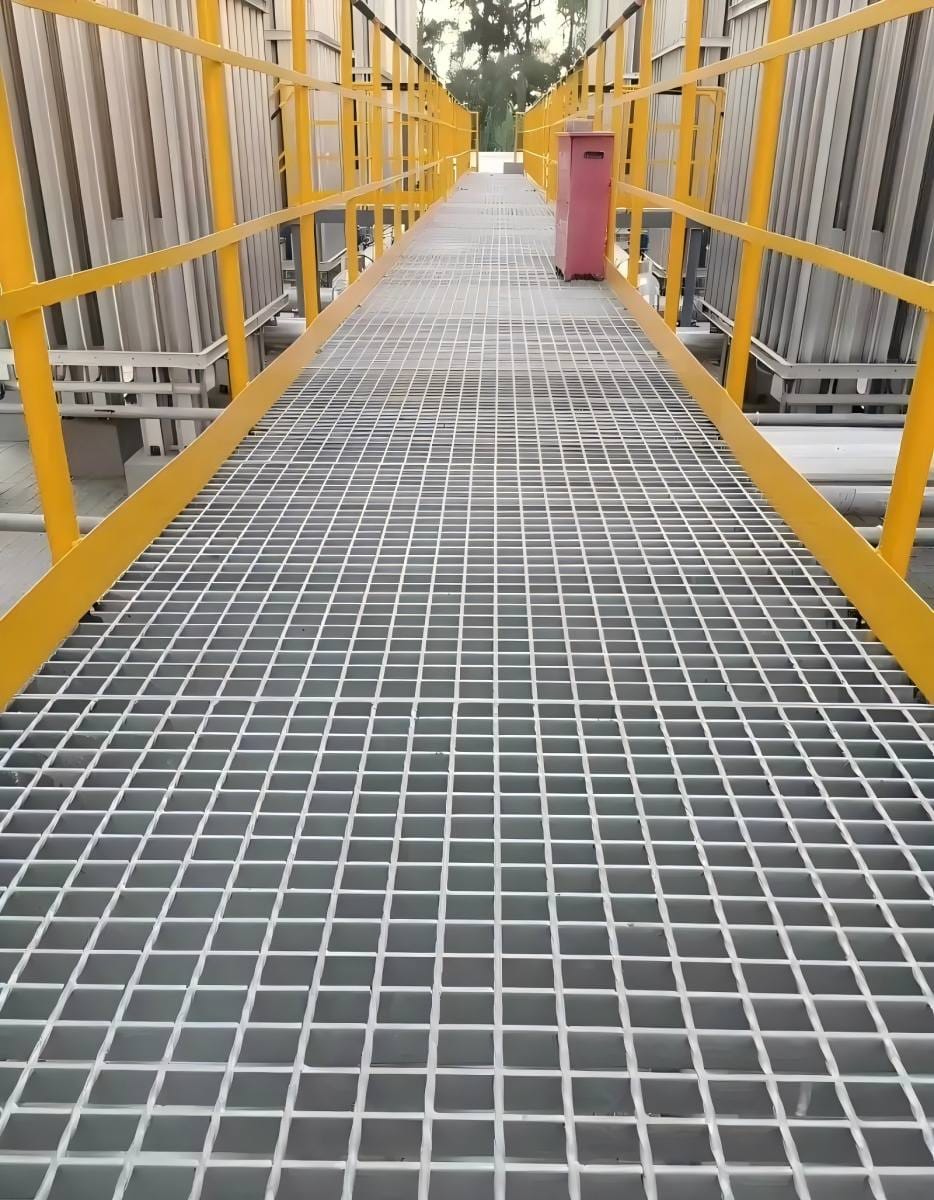
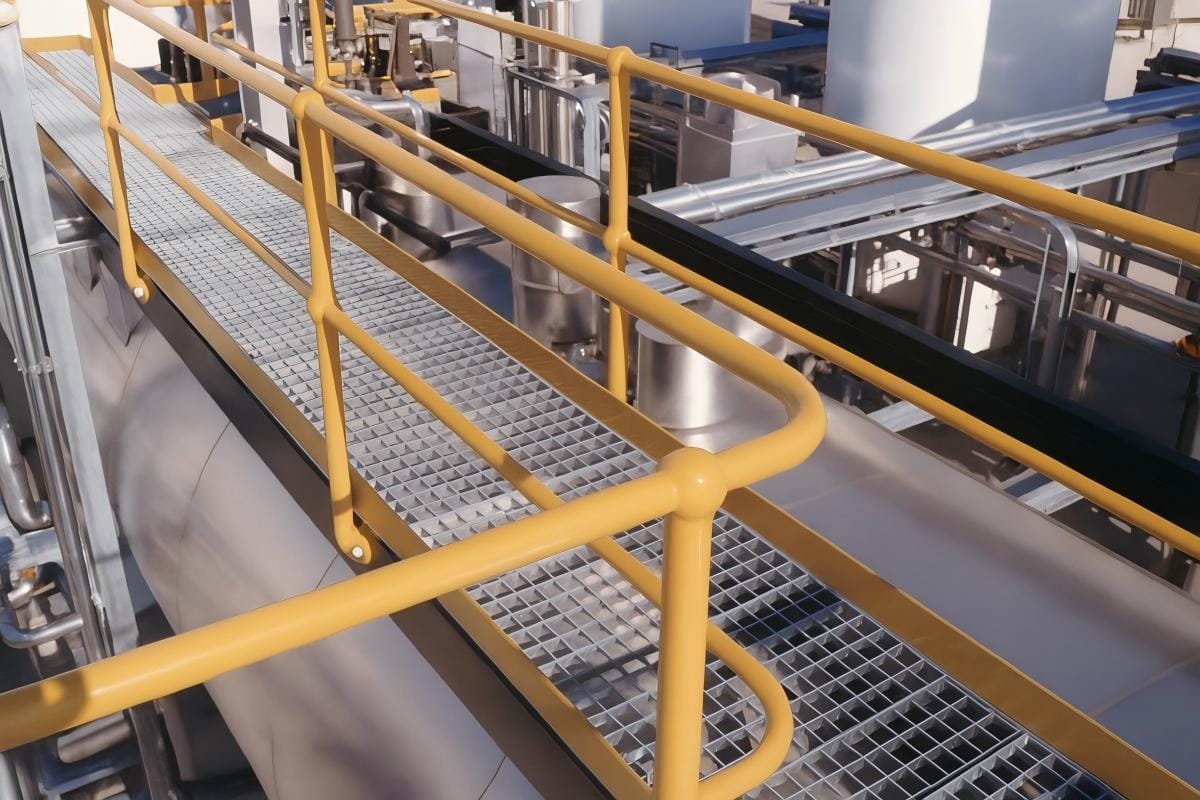
- Working Platforms and Walkways
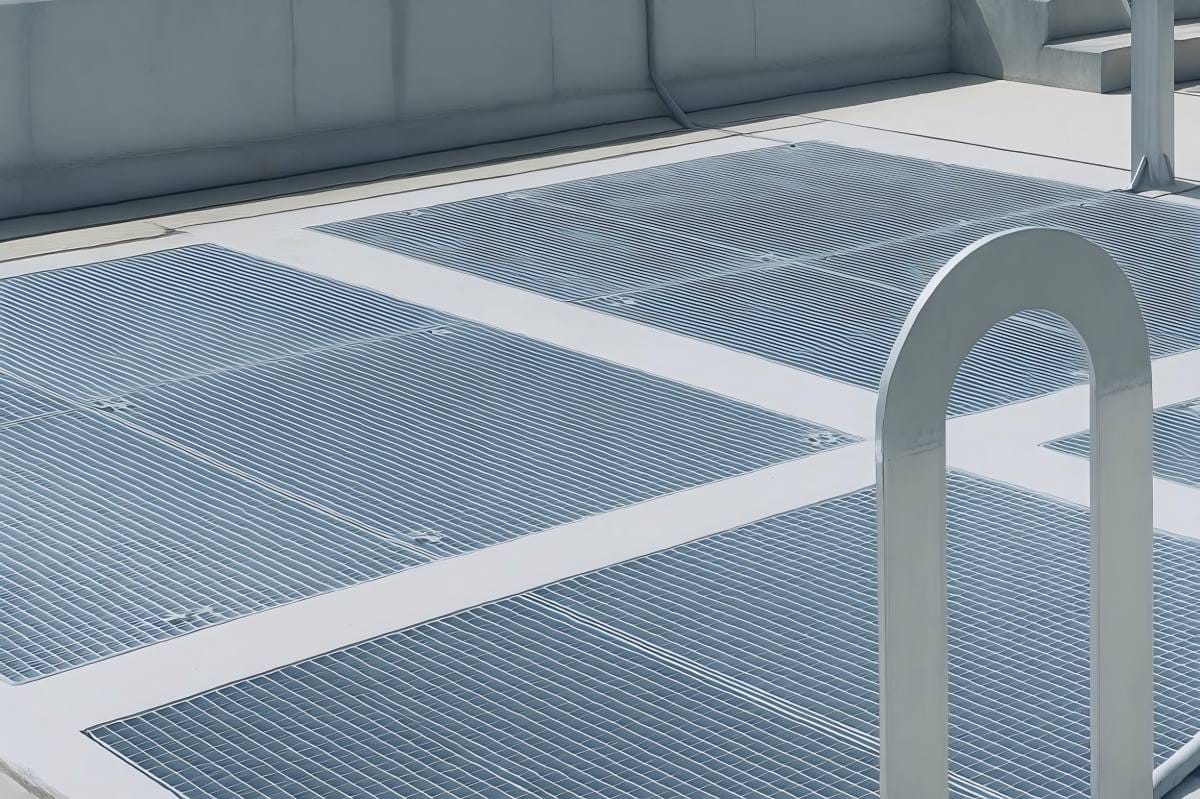
- Trench and Drainage Covers
- Bridge Decks and Catwalks
- Stair Treads
- Security Fencing and Screens
- Ventilation Grilles
- Chemical Plants, Oil Refineries, and Offshore Rigs
Installation
Grating panels are installed using methods that ensure stability and safety, tailored to the specific application.
- Welding: For permanent and high-load applications, panels can be welded directly to the supporting steel structure. A typical recommendation is to weld at four corners of each panel.
- Saddle Clips: These are a common and secure mechanical fastening method. A saddle clip fits over two bearing bars and is fastened to the support structure from above, providing a strong, reliable connection.
- G-Clips: A specialized fastener that allows for the installation of grating from above without drilling or welding. It consists of a clamp assembly that grips the support flange, offering fast and secure installation.
Maintenance & Care
Steel Bar Grating is engineered for minimal upkeep. The protective hot-dip galvanized coating provides long-term corrosion resistance. Regular maintenance involves periodic visual inspections for any structural damage or loose fasteners. Cleaning is straightforward and can be performed with high-pressure water or a stiff brush to remove any surface contaminants.
Packaging & Transportation
To ensure product integrity during transit, grating panels are professionally packaged. They are typically stacked and bundled securely using steel belts, creating stable and compact units. Forklift spacers (wooden blocks) are placed underneath the bundles to facilitate easy and safe handling by forklifts, preventing damage to the panels during loading, unloading, and storage.